TULA BABY CARRIERS
The Truth about Tula Baby
A blog post about my years and experience with Tula Baby Carriers
-Amber Grech, The Infant Boutique 3/11/2026
It’s been a long and tumultuous relationship with Tula over the years, but here’s the story I’ve been dying to tell.
I’ve been in the babywearing game for a very long time, and I was right in the thick of it during the huge babywearing boom in Australia between 2014 and 2018. It was thriving before then, of course, but those were the years I became heavily involved.
Facebook groups were all the rage. There was Adelaide Baby Wearers, with its roving library and monthly catch-ups north, east, south and west. There was the huge BWBSS Aussie Babywearing Support group for all your buying, selling and swapping needs, complete with phrases like ISO, BNWT and DISO. There was the US Tula Love and then Aussie Tula Love and BST and of course the rivals Aussie Tula Buy/Sell/Trade and Aussie Tula Love Fun & Support groups! If you weren’t around back then, you really don’t know all the sordid details of Tula and the babywearing community in general.

How it all began...
Baby Tula was established in 2009 by husband-and-wife founders Mike Pham and Ula Tuszewicka in Poland. The couple moved to San Diego, California, in 2011. They initially intended to continue producing and selling Baby Tula carriers exclusively in Europe. However, after meeting a local babywearing group in San Diego, they were inspired to introduce Tula to the US market. The first order placed through BabyTula.com was in March 2012.
I got my first taste of Tula through a friend I’d met in an online mothers’ group. We actually started out on the now-defunct Essential Baby forum before moving over to our ‘Due in August 2012’ Facebook group. I’m proud to say that group is still going. It’s a lot quieter these days, but our August babies are now 14 and we still check in on each other every now and then.
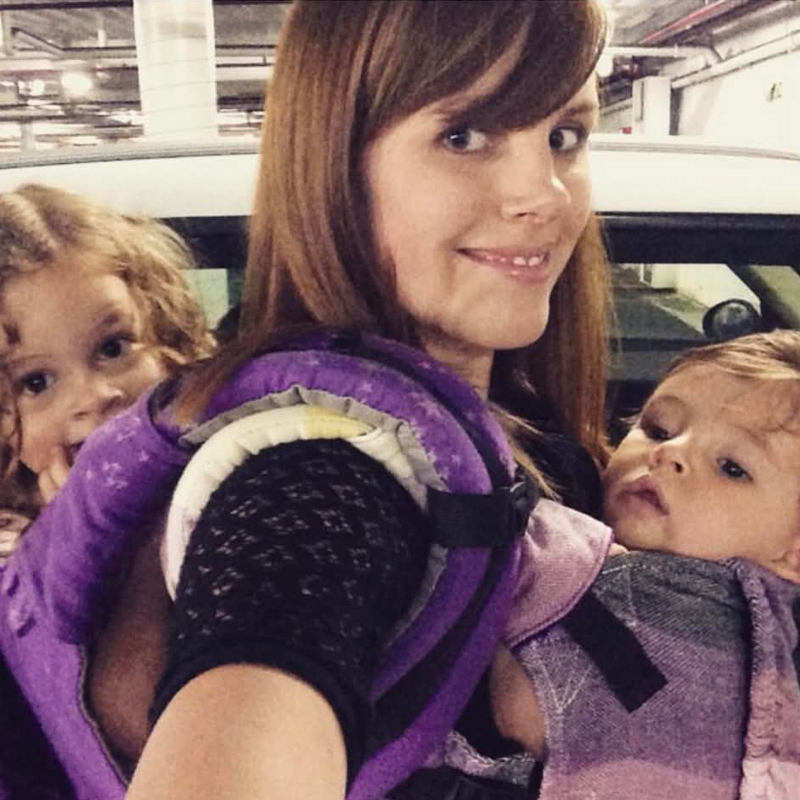
I actually started out with woven wraps rather than soft structured carriers. I amassed quite a collection of Kokadi wraps and ring slings in a very short period of time. My first Tula was a Natibaby Milky Way Violet Skies Standard Half Wrap Conversion, which arrived all the way from the US on Halloween 2013.
October 2013 was also when I attended my first Australian Babywearing Conference in Melbourne. The next, and as it turned out, final conference wasn’t until two years later, when it was held right here in Adelaide.
The Tula craze
Back then, you could only buy Tulas from the US website, and getting your hands on one was no easy feat. It was a bit like trying to buy concert tickets: fastest fingers won when a restock went live.
There was plenty of chatter in the Facebook groups about people allegedly using bots, ways to speed up your internet and all sorts of accusations flying around. Once a restock sold out, the groups would be flooded with ‘In Search Of’ posts and carriers listed at hugely inflated prices. Something you could have purchased directly for $149 might suddenly be listed for $300. It was crazy.
There were your standard canvas prints, but then there were the highly sought-after wrap conversion carriers. If you were new to the world of Tula, there was a whole other level to discover.
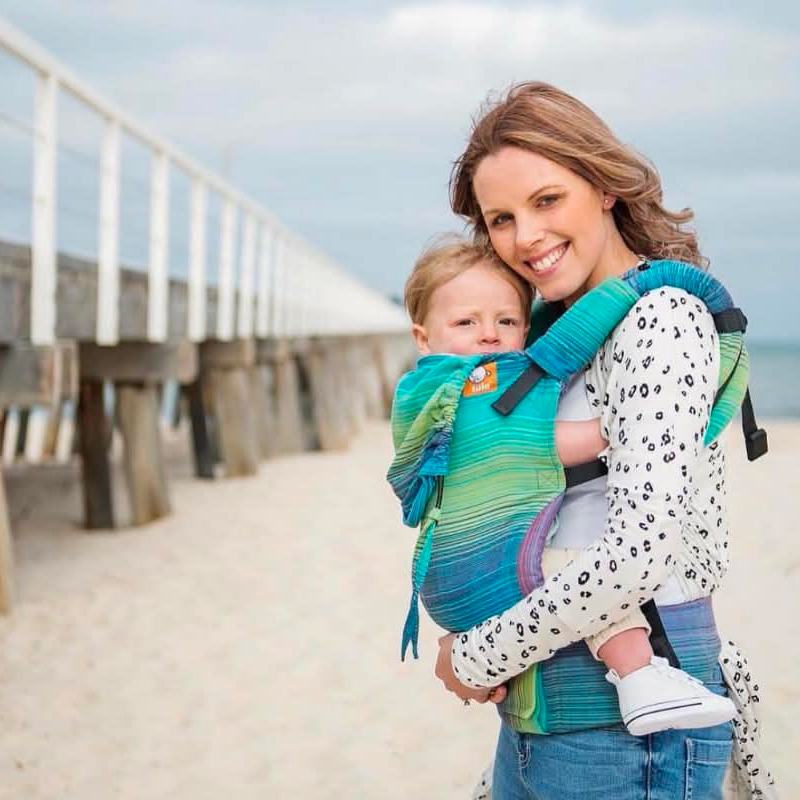
Semis featured just a wrap fabric front panel, while Half Conversions had the entire front half of the carrier, including the straps and waistband, covered in wrap fabric, with a canvas inner. Then there were the very pricey Full Conversions, where the entire carrier was made from woven wrap fabric.
Tula made carriers using wraps from a range of brands, including Kokadi, Girasol, Natibaby, Oscha and even the handwoven Meeyoo. And when I say pricey, I mean pricey! Some Meeyoo wrap conversion carriers were selling for around US$4,000 in BSS Tula Facebook groups.
Then there was the accessories market. Strap covers, hoods, toy holders… you name it, you could pimp out your carrier with just about any embellishment imaginable. Trust me, I did!
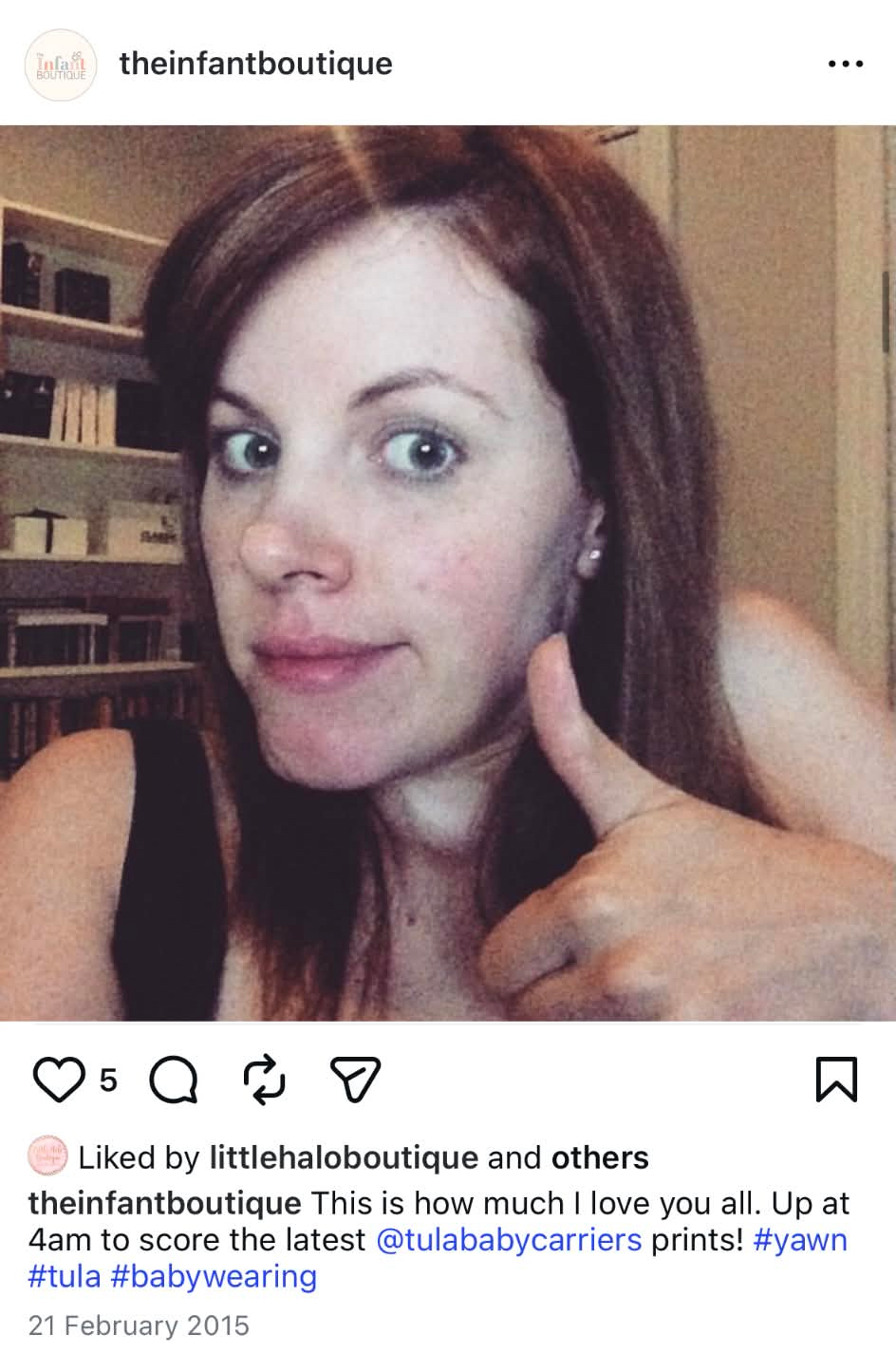
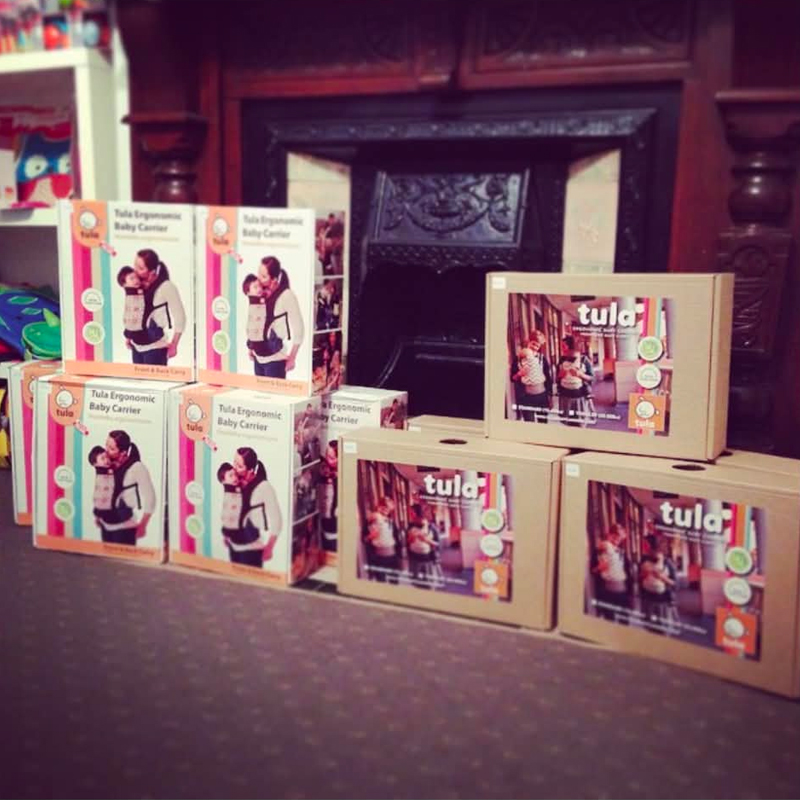
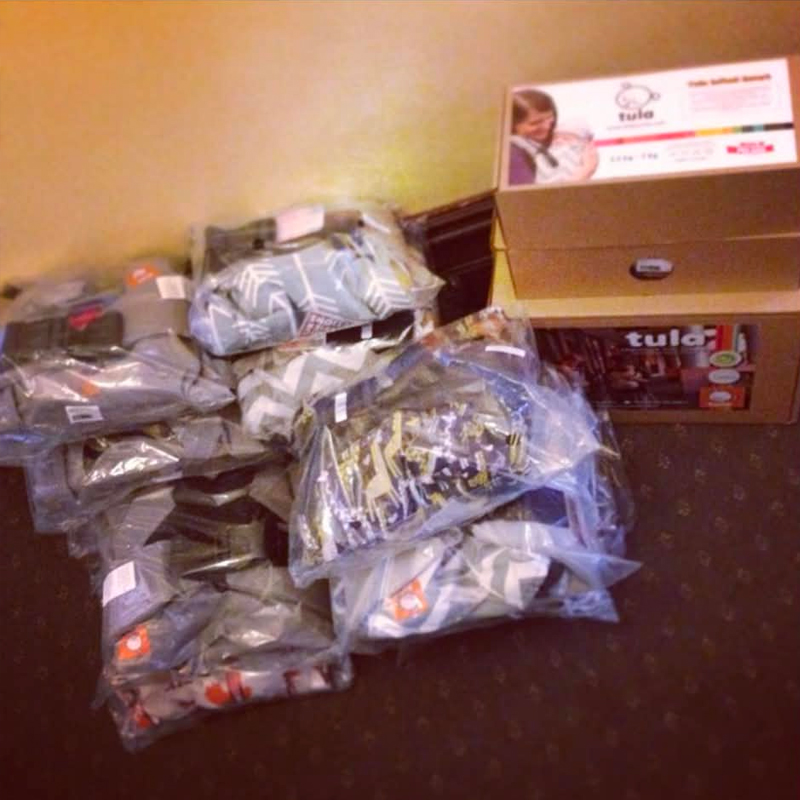
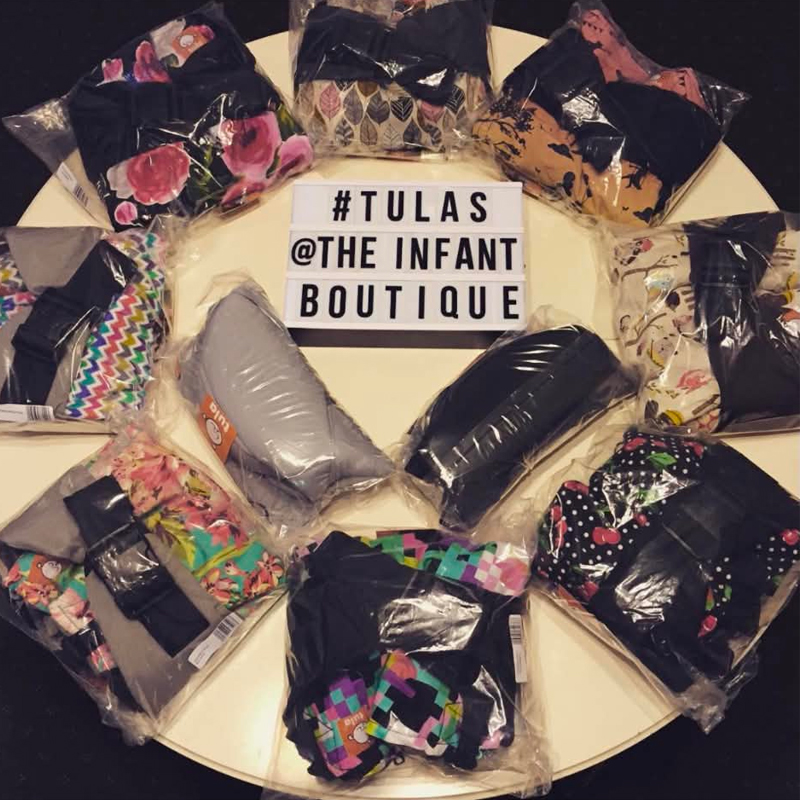
In September 2014, Tula approved us as a retailer and we received our first shipment of just 12 carriers. Restocks were hard to come by. Tula only replenished its wholesale portal during US business hours, which meant I was regularly waking up at 2 or 3am just to get my hands on some stock.
We couldn’t keep them on the shelves. We’d receive an order, sell through it, and then be out of stock for a couple of weeks until the next shipment arrived.
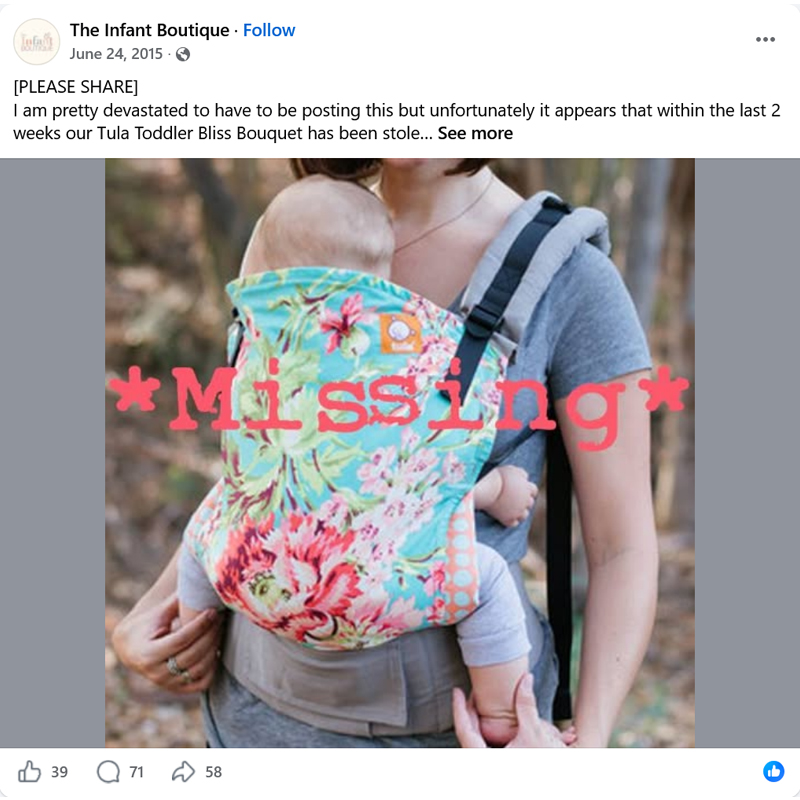
In June 2015, we had our first and only Tula theft. A highly sought-after Bliss Bouquet was taken right from under our noses. Security cameras were installed in the following weeks. Apparently, even baby carriers weren’t safe!
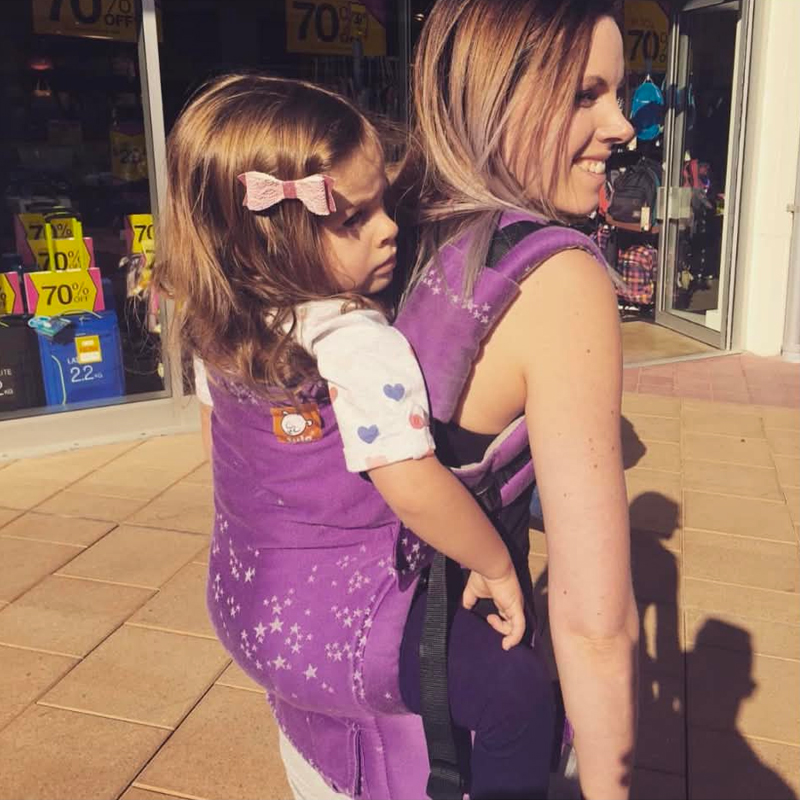
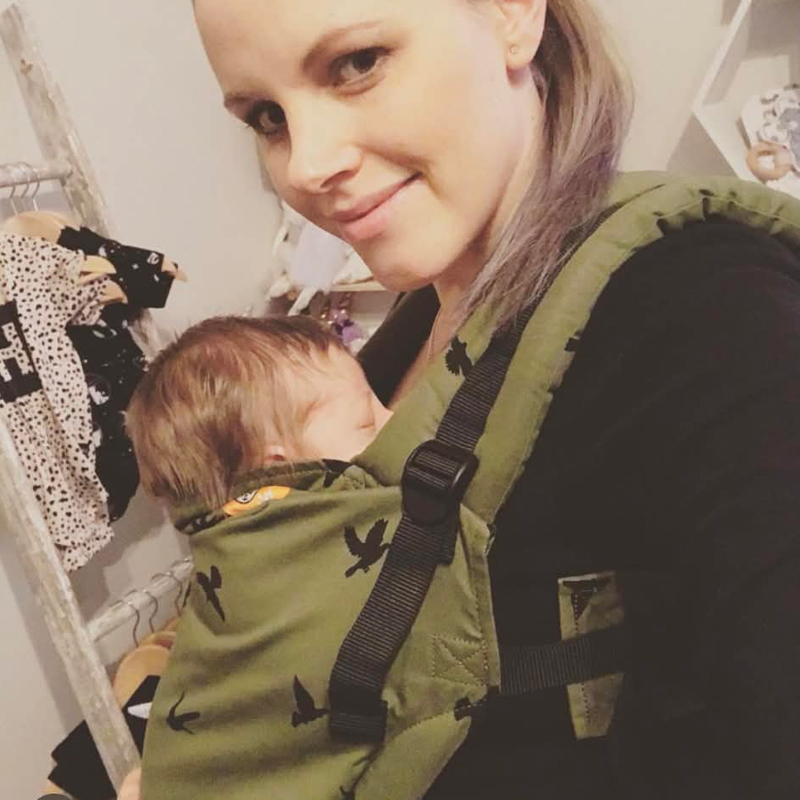
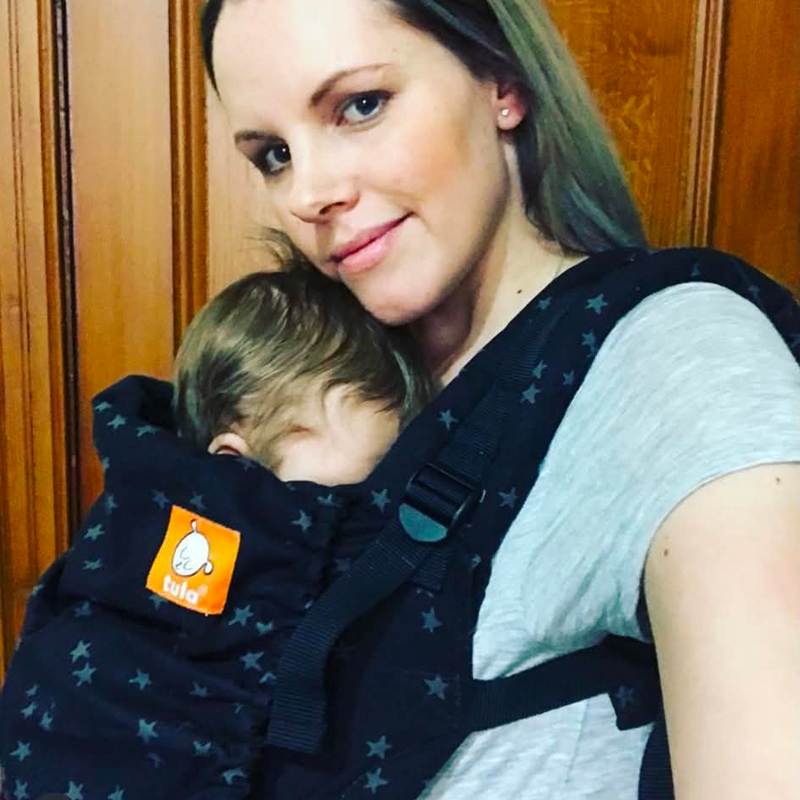
The releases just kept coming. Tula continued sourcing beautiful fabrics and turning them into carriers, and babywearers couldn’t get enough. The designs seemed endless: Bliss Bouquet, Archer, Lil Rascals, Flock, Arrows, Spotted Love, Fleet, Bandit, Carousel, Click, Oasis, Foxy… the list goes on.
The cultural appropriation conversations
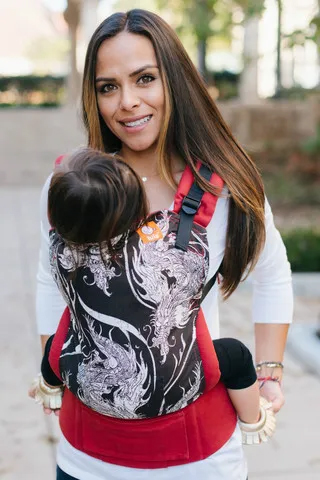
In 2015, Tula released Dynasty, followed not long after by another design whose name I can no longer confidently recall. I believe it may have been Dreamweaver, or something similar. It featured dreamcatchers and feathers, drawing on imagery associated with Indigenous American cultures.
Not long after, conversations about cultural appropriation became increasingly prominent in the babywearing community. Some people raised concerns about cultural designs and symbols being used commercially without the cultural context, acknowledgement or respect they deserved. Others questioned whether traditional patterns and motifs were being treated as little more than fashionable prints.
At the time, the baby carrier industry was releasing an enormous range of designs, and I don’t think the cultural considerations we discuss today were always part of those decisions. The criticism was a reminder that something which looks like a pretty print to one person can have a much deeper cultural meaning to someone else.
From memory, some designs were withdrawn or became difficult to find, while other babywearing brands reconsidered the names they used for certain products. Even the terminology around traditional carrier styles was being discussed, with ‘Mei Tai’ increasingly being replaced by ‘Meh Dai’ by some brands and educators in recognition of its Chinese origins.
It was a significant period of change in the babywearing community, and one that certainly sparked some heated discussions.
Ergobaby, Boba and the acquisition
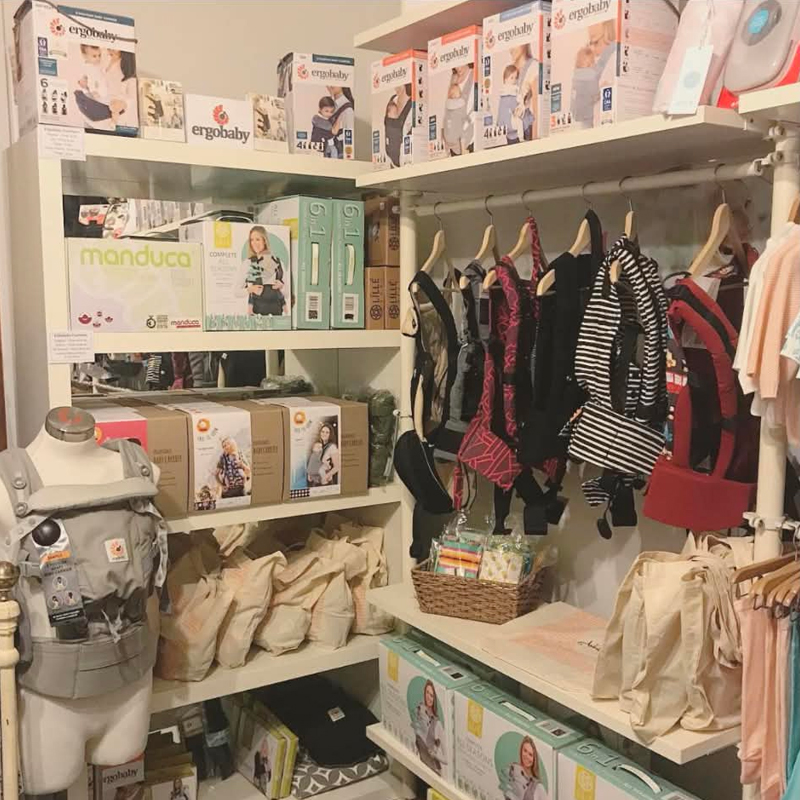
Around this same period, Ergobaby was involved in patent infringement proceedings against other baby carrier companies, including Boba. The legal disputes were being closely followed in the babywearing community.
I can’t find the original discussions or documentation now, so I want to be careful about presenting my recollections. However, I distinctly remember conversations at the time suggesting that Ergobaby was considering further legal action against other babywearing brands over its patents. Tula was one of the names being discussed.
There was also plenty of speculation within the community about whether Tula’s eventual relationship with Ergobaby was connected to those patent concerns. I remember people describing it as a ‘merger’ or suggesting that joining forces could help avoid potential litigation. I have never been able to substantiate that, so I can’t say whether there was any truth to those rumours.
What we do know is that in May 2016, Ergobaby acquired Tula for a reported US$73.8 million. Quite the payday!
Mike and Ula initially remained involved in the business, but over the following years their public presence and association with the brand gradually faded. By 2018, I could no longer see the same connection between the founders and the brand that had existed in those early days.
For me, this was when Tula started to lose the things that made it special. It felt less like the independent, family-founded brand I’d fallen in love with and more like another part of the Ergobaby business.
In 2018, Ergobaby’s wholesale arrangement with Babes in Arms came to an end, effectively ending a business relationship that had been around for approximately a decade. Babes in Arms had been the Australian distributor, and the change marked the end of an era. Ergobaby and Tula distribution in Australia moved to Bloom & Grow.
Then came December 2020. The email eventually arrived: Tula would no longer be available for wholesale to Australian retailers.
After six years of carrying the brand, countless babywearing meets, carrier consultations and so many memories of my own Tulas, I could no longer sell the carrier I loved most or help families get their hands on one through our store.
And here’s the thing: Tula hasn’t been forgotten in Australia. Far from it.
Even years after we stopped being able to stock the brand, people are still searching for Tula carriers. Our website continues to appear in Google searches, and we still get plenty of clicks from people looking for them. It’s a reminder that, despite no longer being readily available through Australian retailers, there’s still plenty of interest in the brand.
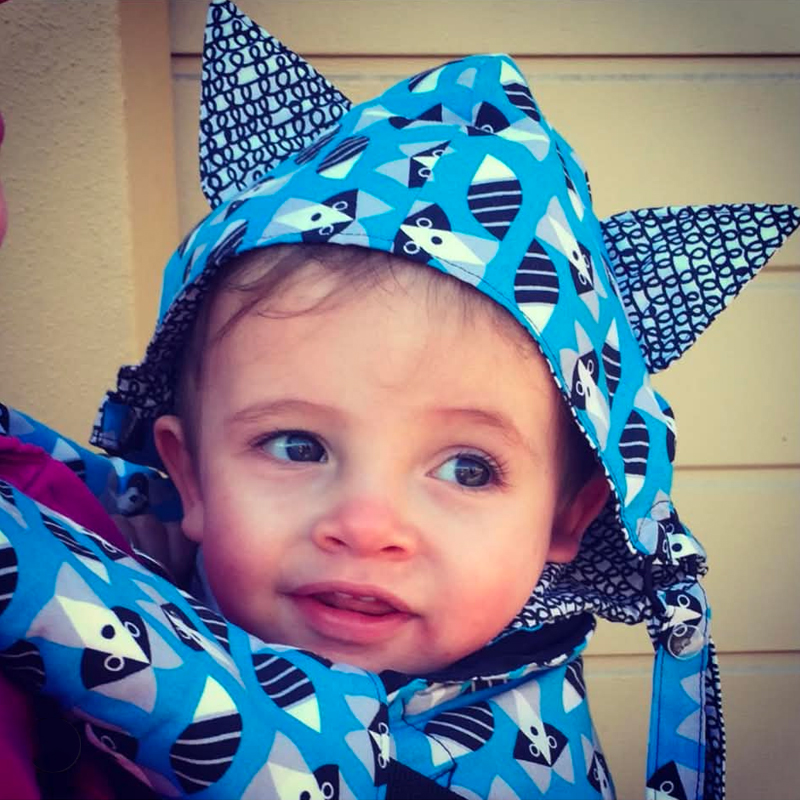
The final goodbye...
In 2021, I signed up for the affiliate program and continued providing information about Tula on our website. Even though I could no longer sell the carriers, I still wanted to be connected to a brand I’d loved for so long. I wanted to keep sharing babywearing information, safety and education wherever I could.
Last week, I received an email advising that I was no longer part of the affiliate program. And just like that, the last little Tula thread I was holding onto was gone.
Tula has been part of my life for 12 years, and now that chapter is over.
It genuinely saddens me to see what feels like the end of a once-great, family-founded brand. I know businesses change hands, priorities shift and companies need to make commercial decisions, but I can’t help feeling that something has been lost along the way.
For me, Tula was never just about selling a baby carrier. It was about the community, the excitement of a new release, helping a family find the right fit, letting someone try a carrier before they bought it and seeing those beautiful prints in person. It was about the friendships, the events, the consultations and the memories.
These days, Australian families no longer have that same opportunity to walk into a local retailer, browse the Tula range, try on different carriers and get fitted by someone who knows the product. That personal, hands-on experience was such a big part of what made buying a Tula special, and it’s something that’s been lost.
And that’s what I find the saddest.
I know brands evolve, and perhaps Tula’s current direction makes perfect business sense. But after being part of the journey for so long, it’s hard not to feel a little disappointed.
So, this is my goodbye to Tula. Thanks for the memories, the early morning restocks, the beautiful prints and the years of being part of something pretty special.
It’s been a ride!